AI in Education: What Actually Helps Kids Learn at Home (a Parent's Guide)
Learn how AI-powered adaptive learning works for grades 3-8, what the research shows, and how parents can use it safely to boost reading and math skills at home.

Jim Carlson
Co-Founder & Parent

What You'll Learn
How AI-powered adaptive learning actually works for grades 3-8
What research shows about AI tutoring outcomes in math and reading
How to evaluate whether an AI learning tool is safe and effective
Where AI outperforms traditional methods and where it falls short
Practical steps to integrate AI learning into your child's routine
What AI-powered learning actually does
AI in education for kids is not a robot teacher or a screen babysitter. At its core, adaptive learning technology does three things: it assesses where a child currently stands, selects appropriate content based on that assessment, and adjusts difficulty in real time as the child progresses. For a broader look at personalized learning principles, see our parent's guide to personalized learning.
How adaptive algorithms work
Modern AI learning platforms use a technique called knowledge tracing to build a model of what each student knows and does not know. As a child answers questions, the system updates its model and selects the next problem at the right difficulty level. If a child masters single-digit multiplication, the system moves to multi-digit problems. If a child struggles with reading inference questions, it offers more practice with supporting passages before advancing.
Knowledge tracing and spaced repetition
Two techniques underpin most effective AI tutoring systems. Knowledge tracing maps which specific skills a child has mastered and which need more practice. Spaced repetition schedules review of previously learned material at intervals designed to strengthen long-term retention. Together, these techniques ensure children spend time on what they actually need rather than repeating what they already know.
What the research shows
A meta-analysis of 74 studies on intelligent tutoring systems found that adaptive technology produced meaningful learning gains across subjects, with the largest effects in mathematics (Ma et al., 2014). A RAND Corporation study of 62 schools found statistically significant gains in both math (effect size 0.09-0.16 SD) and reading (0.07-0.11 SD) when personalized learning principles were implemented (Pane et al., 2015).
Where AI outperforms and where it falls short
AI tutoring excels at structured skill practice: math computation, vocabulary building, reading fluency, and grammar. It is less effective for open-ended creativity, social-emotional learning, and complex writing where human feedback matters more. The strongest outcomes in research consistently come from blended models where AI handles skill practice and humans provide coaching, motivation, and real-world context. Technology supports parents and teachers rather than replacing them.
Is AI safe for my child?
Safety is the first question most parents ask, and it should be. AI learning tools collect data about your child's performance, and that data deserves strong protection.
Privacy and data protection
Reputable AI learning platforms comply with COPPA (Children's Online Privacy Protection Act) and take data protection seriously more broadly. Before choosing a tool, verify that it encrypts data in transit and at rest, does not sell or share student data with advertisers, gives parents full control over data access and deletion, and clearly explains what data is collected and why. Kaizly, for example, has data encrypted in transit and at rest by our cloud provider, complies with COPPA, and ensures that progress insights belong to the family alone.
Screen time and balance
AI learning sessions are typically 20-45 minutes per day, which is a small fraction of most children's total screen time. The key distinction is active versus passive screen time. Working through adaptive math problems or reading comprehension passages is cognitively active, unlike scrolling social media or watching videos. Parents can pair AI sessions with offline activities — cooking for fractions, journaling for reflection, sports stats for data analysis — to maintain a healthy balance.
AI accuracy and limitations
AI systems can occasionally generate incorrect content or misassess a student's level. Good platforms build in human review checkpoints and allow parents to flag issues. When evaluating a platform, ask whether it uses curated curriculum content (rather than purely generated material), provides parent-visible progress reports, and has a process for correcting errors.
How to evaluate AI learning tools
Questions to ask before signing up
What research or evidence supports this tool's effectiveness?
How does the platform handle my child's data, and can I delete it?
Does the system adapt to my child's level, or does it just present content in a fixed sequence?
Can I see what my child is working on and how they are progressing?
Is the content curriculum-aligned for my child's grade level?
What a good AI tutoring session looks like
In an effective session, your child should spend most of their time actively solving problems or reading at their level — not watching videos or clicking through simple animations. You should see the difficulty adjust in real time: if your child gets three problems right in a row, the next problem should be slightly harder. Weekly progress reports should show specific skills mastered, not just time spent. For a step-by-step approach to building a learning plan around these sessions, see our guide to creating a personalized lesson plan.
How Kaizly uses AI
| Step | What happens | Why it matters |
|---|---|---|
| Family profile | Parent sets goals, schedule preferences, and workload. | Plan matches the family's rhythm year-round. |
| Adaptive assessment | Short tasks map reading, math, and writing strengths. | Pinpoints exact skill gaps, not just grade-level estimates. |
| Custom schedule | AI blends academic practice, projects, and interest-based content. | Keeps engagement high and skills progressing. |
| Daily routine | Child completes 30-45 focused minutes with adaptive difficulty. | Builds habit without burnout. |
| Progress review | Weekly report shows specific skills mastered and suggests adjustments. | Parents stay informed and in control. |
Comparing AI platforms with human tutoring? See our guide to choosing between a tutor, AI, and self-directed learning.
See how adaptive AI learning works for your child. Setup takes about ten minutes. Start free trial
Tags
References
Continued Progress: Promising Evidence on Personalized Learning. Pane, J. F., Steiner, E. D., Baird, M. D., Hamilton, L. S., & Pane, J. D. (2015). RAND Corporation.
Intelligence Unleashed: An Argument for AI in Education. Luckin, R., Holmes, W., Griffiths, M., & Forcier, L. B. (2016). Pearson / UCL Knowledge Lab.
Intelligent Tutoring Systems and Learning Outcomes: A Meta-Analysis. Ma, W., Adesope, O. O., Nesbit, J. C., & Liu, Q. (2014). Journal of Educational Psychology, 106(4), 901-918.
OECD Digital Education Outlook 2023: Towards an Effective and Equitable Use of AI in Education. Organisation for Economic Co-operation and Development (2023). OECD Publishing.
About Jim Carlson
Jim Carlson is the co-founder and CEO of Kaizly. A former marketing and technology executive and parent of three, he created Kaizly to help families support their children's learning and growth at home.
Related Articles

Personalized Learning at Home: A Parent's Guide for Grades 3-8
What personalized learning means for grades 3-8 and how to start at home.
Read Article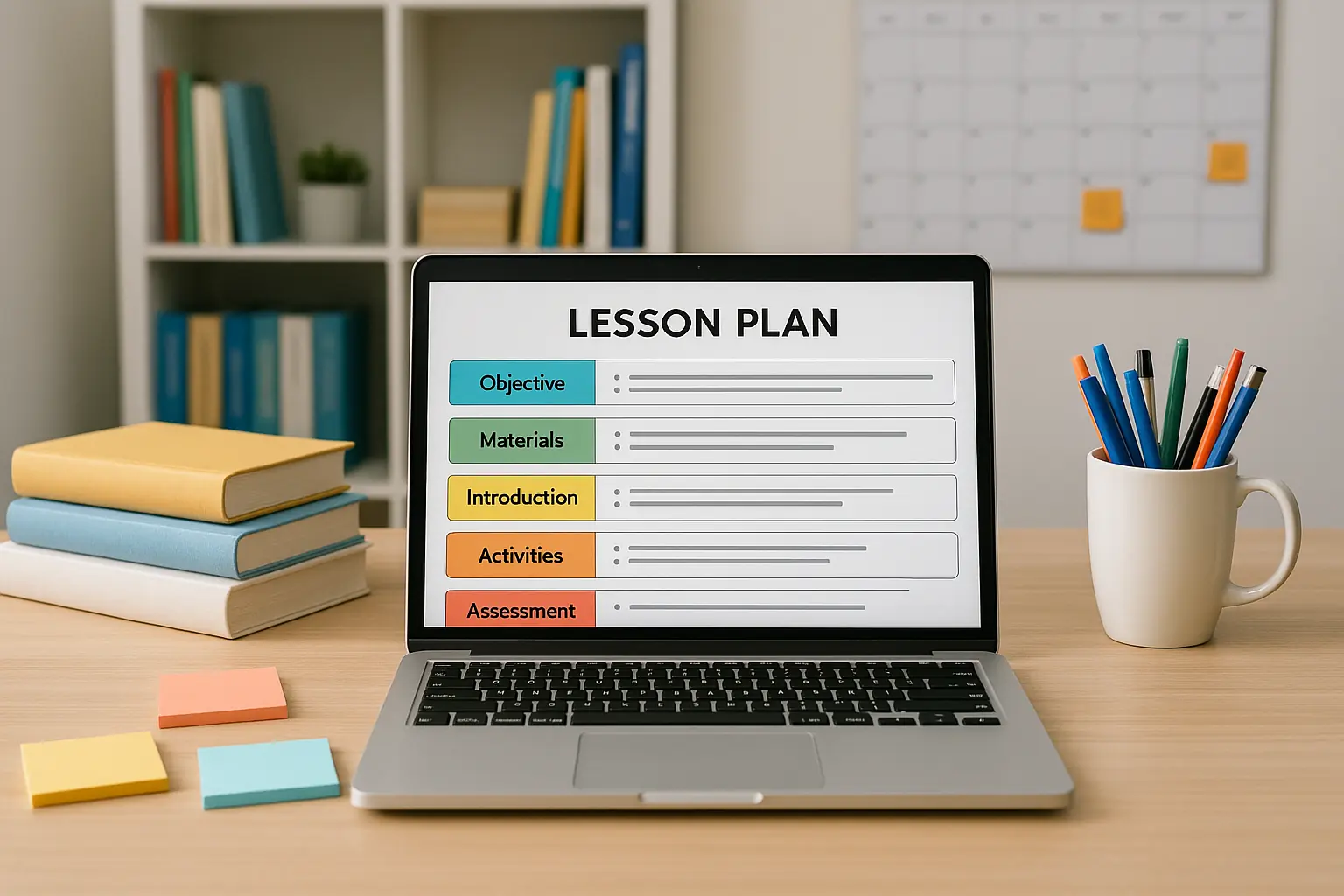
How to Create a Personalized Lesson Plan for Your Child
Step-by-step guide to building a personalized lesson plan for grades 3-8.
Read Article
Understanding and Preventing Summer Slide
Learn what summer learning loss is and how to prevent it with engaging activities.
Read ArticleShare this article